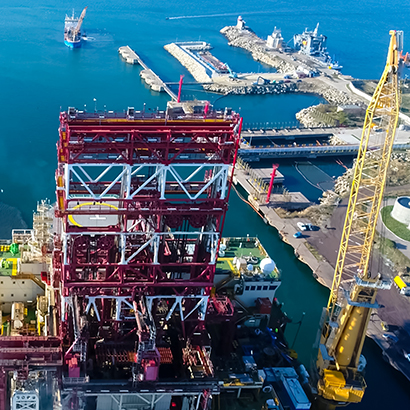
Our team has decades of experience in the particular challenges facing offshore construction and engineering projects. Drawing on both our maritime and construction experience, we have negotiated and drafted engineering, procurement, and construction contracts based on LOGIC forms, the FIDIC suite, and the major shipbuilding forms.
We advise on all associated arrangements including charters, operating agreements, joint ventures, insurance policies, security, and financing. Our clients include project owners, contractors, subcontractors, and engineers. Increasingly, we advise offshore wind projects around the world, including in the United States, Europe, and Taiwan.
Our lawyers have also represented parties before numerous courts and tribunals in construction-related arbitration, litigation, and mediation. They are familiar with all the key rules of arbitration, including International Chamber of Commerce, London Court of International Arbitration, International Centre for Dispute Resolution, and London Maritime Arbitrators Association. The team regularly assists with disputes involving delay, disruption, variations, cost overruns, warranties, and breaches of project construction contracts. We also benefit from the extensive project management and e-disclosure services offered by the firm’s e-DAT team.